· 1 min read · UX, AI, Accessibility
AI as a junior partner in accessibility testing
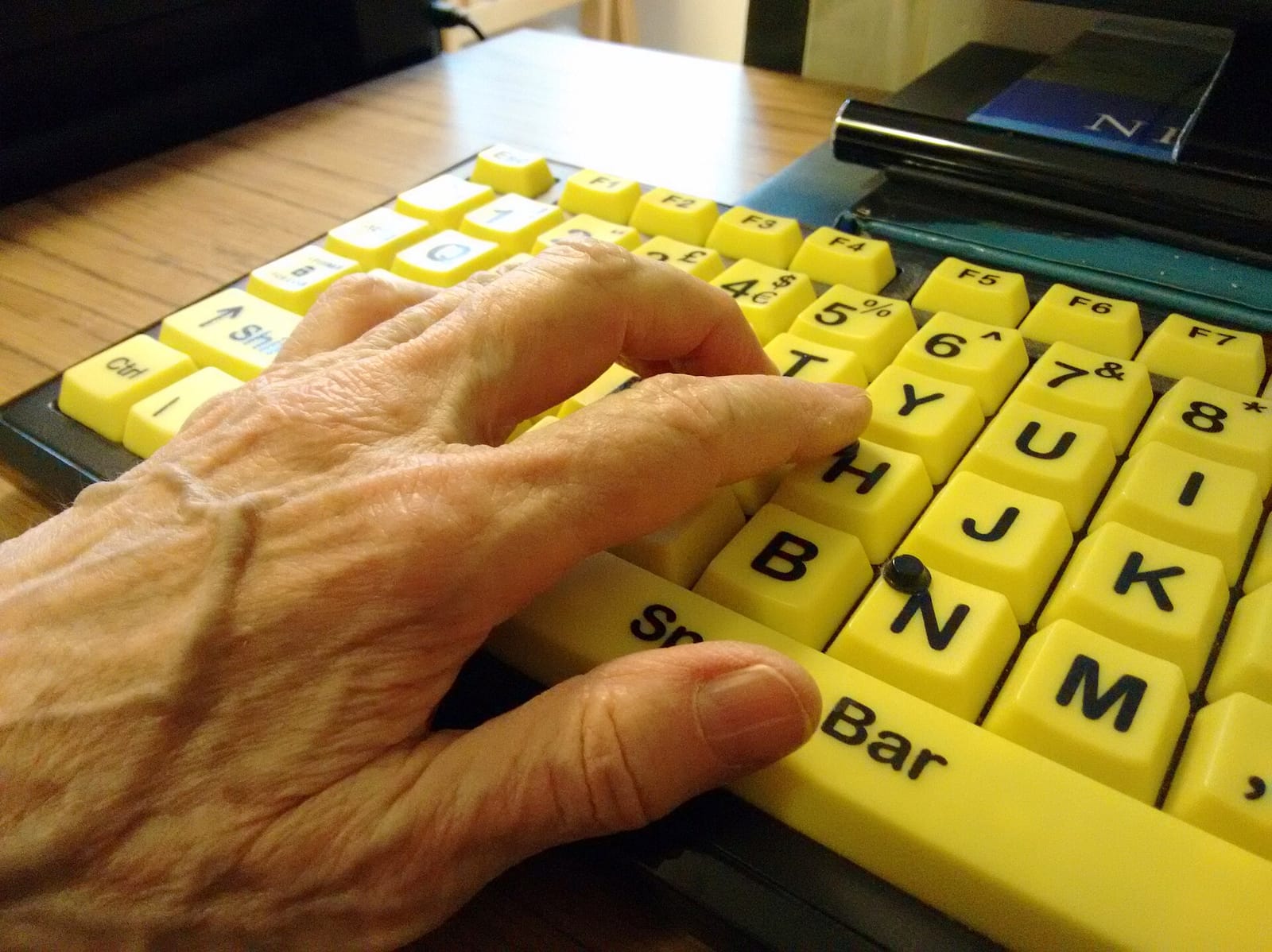
"Typically 30%-60%" is a wide range for a fact. That's how many issues automated tools can find, according to Ricky Onsman's post on using AI as an accessibility testing partner. He gives no source.
I like the rest of it. He rejects both the hype and "AI is biased, unreliable, and harmful", and calls AI "a junior partner, at that". But his claim that AI can read thousands of pages in minutes is asserted, not shown. I suspect finding issues isn't the bottleneck. Fixing them is.
Juniors become seniors by doing the grunt work. If the machine does it, who trains the next auditors?
On AI personas of disabled users he says the results are "not currently" convincing. I agree. A model can average what people write about disability. It can't be one person on a bad day.
For a small team with no auditor, it's AI plus a human check or nothing. The first probably wins, if the check is real.
Comments